
Upholstery and Furniture Cleaning in Erie, PA
Upholstery cleaning in Erie starts with the fabric tag. We clean sofas, sectionals, recliners, dining chairs and mattresses across Erie County. Every piece has a fabric cleaning code that decides whether water or solvent is safe, and we check it before anything touches your furniture.
What Does Your Fabric Tag Say?
The cleaning code on your furniture decides everything that follows. Using the wrong method on the wrong fabric causes damage that cannot be undone, which is why we check before we quote.
Decode Your Fabric Cleaning Code
Check the tag under the cushion or on the frame. That single letter decides what can safely touch your furniture.
What W, S, WS And X Actually Mean
Furniture manufacturers assign one of four codes based on how the fabric reacts to moisture. It is the single most useful piece of information about your sofa.
| Code | Means | What can be used |
|---|---|---|
| W | Water-based cleaning safe | Hot water extraction and water-based products |
| S | Solvent only | Dry solvent methods. Water will ring, shrink or stain |
| WS | Either method | Both, chosen to match the specific stain |
| X | Vacuum only | Dry soil removal only. No liquid of any kind |
Most damage we are asked to fix on upholstery was caused by someone using a water-based cleaner on a code S fabric. The ring left behind is often more visible than the original stain, and it is frequently permanent.
Upholstery Cleaning in Erie: What We Handle
Microfiber and microsuede
The most common upholstery fabric in Erie homes. Usually coded S or WS. Cleans up very well when the method matches the code, and shows water rings badly when it does not.
Chenille and velvet
Pile fabrics where the direction of the nap affects how light hits it. Over-wetting crushes the pile permanently, so moisture control matters more here than almost anywhere else.
Leather
A different process entirely. We identify whether it is aniline, semi-aniline or protected, then clean with pH-appropriate products and condition afterward so it does not dry out and crack.
Cotton and linen blends
Natural fibers that can shrink and are prone to browning if they stay wet too long. These need controlled moisture and proper drying rather than a heavy wet clean.
Synthetic blends
Polyester, olefin and nylon upholstery are generally durable and forgiving, which makes them the easiest category to restore.
Furniture We Handle
- Sofas, loveseats and sectionals, including the deck underneath the cushions
- Recliners and armchairs, where body oils concentrate on the headrest and arms
- Dining chairs, both seat pads and fully upholstered backs
- Ottomans and footstools
- Mattresses, targeting dust mites, body oils and perspiration in the top layers
- Upholstered headboards
- Office chairs, which accumulate more soil than most people expect
Upholstery Is Not Carpet
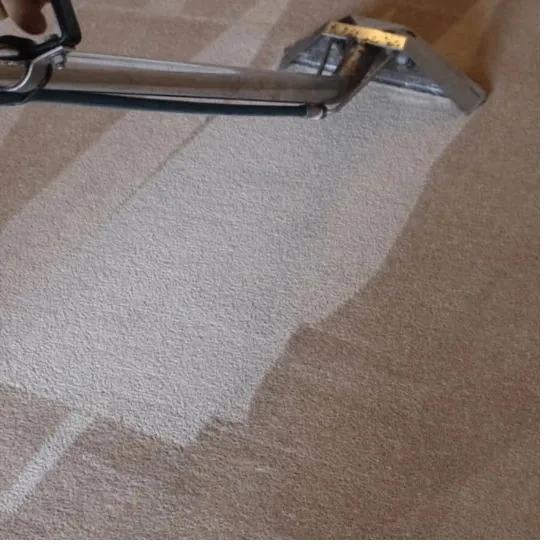
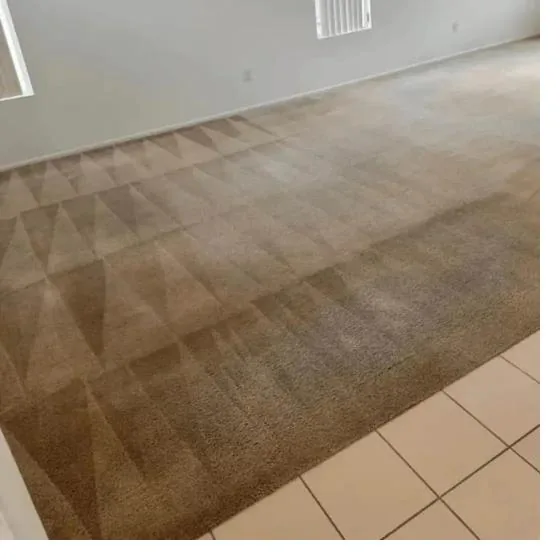
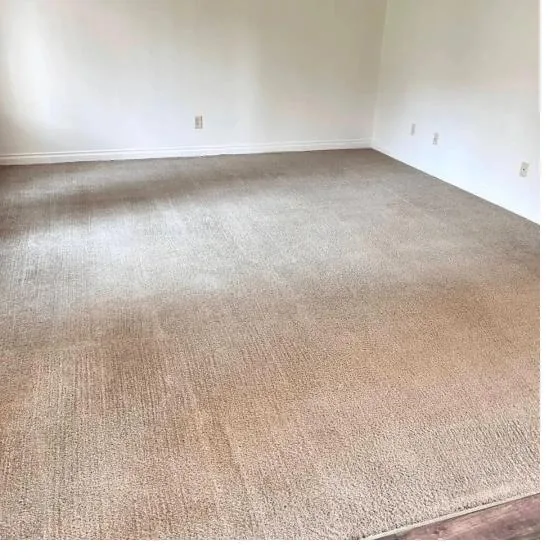
The equipment overlaps. The technique does not.
There is no pad underneath. Carpet sits on a pad that absorbs excess moisture. Upholstery sits on foam and a wooden frame, both of which hold water and take far longer to dry. That is why upholstery uses a fraction of the moisture.
Browning is a real risk. Natural fibers and jute webbing inside older furniture can release tannins when wet, which wick to the surface as it dries and leave a brown discoloration. Controlled moisture and fast drying prevent it.
Water rings form easily. On many fabrics, a wet edge that dries slowly leaves a visible line. Professional work feathers the moisture out rather than stopping abruptly.
The frame matters. Water reaching a wooden frame can stain the fabric from beneath and, over time, weaken joints. Nothing about upholstery cleaning should soak through to the frame.
Erie Humidity And Upholstery
Lake Erie keeps indoor humidity higher than inland Pennsylvania, particularly September through December. For upholstery that matters more than it does for carpet, because furniture cannot be lifted and aired.
Slower drying is what causes browning, musty smell and water rings. A sofa that would dry in two hours in a dry climate can take twice that here without air movers, which is why we bring drying equipment to every upholstery job rather than treating it as optional.
Below-grade family rooms are the hardest case. Furniture in an Erie basement sits in the most humid air in the house, and that is where we see the most musty odor complaints that have nothing to do with spills.
What Affects Your Price
- Number and size of pieces, counted by seat rather than by item
- Fabric code, since solvent cleaning takes longer than water-based
- Soil level and how long since the last professional clean
- Whether pet odor treatment is needed in the cushion cores
- Leather, which uses different products and includes conditioning
- Fabric protector if you want it applied afterward
We confirm your price before starting. No published rates, because a three-seat microfiber sofa and a code S velvet sectional are entirely different jobs.
What Upholstery Cleaning Cannot Fix
- Sun fade. UV has broken down the dye. Cleaning removes soil sitting on top of faded fabric but does not restore color.
- Worn nap and pile crush. Where arms and headrests have been rubbed smooth, the fiber is physically gone.
- Dye bleed from a previous attempt. If a DIY cleaner has already moved dye within the fabric, that migration is usually permanent.
- Collapsed foam or broken frames. Cleaning improves hygiene but does nothing for structure or comfort.
- Code X fabrics. We will not wet-clean these, and we would question anyone who offers to.
Before We Arrive
- Find the cleaning tag if you can, and photograph it. Under the cushions or on the frame underside are the usual spots.
- Remove throws, cushions and anything stored underneath
- Tell us about any product you have already applied, including which one
- Point out specific stains rather than leaving us to find them
- Plan for the piece to be unusable for a few hours after we finish
Upholstery Cleaning Questions
How do I find my fabric cleaning code?
Look for a small tag under a seat cushion, along the deck where cushions sit, or on the underside of the frame. It shows a single letter: W, S, WS or X. On older or reupholstered pieces the tag is often missing, in which case we identify the fiber and test dye stability before touching anything.
How long does furniture take to dry?
Usually two to four hours for water-based cleaning with air movers running. Solvent cleaning on code S pieces is faster, often under two hours. Erie lake humidity can extend both, which is why we bring drying equipment rather than relying on room air.
Can you clean microfiber?
Yes, and it is one of the most common fabrics we handle. Microfiber usually carries a code S or WS tag. The mistake people make at home is using water on a solvent-only microfiber, which leaves rings that are difficult to reverse.
Will cleaning leave water rings?
Not when the method matches the code and moisture is controlled. Rings happen when too much water is used, or when water touches a solvent-only fabric. That is the whole reason we check the code first rather than treating every sofa the same.
Do you clean leather?
Yes. Leather is a different process from fabric, using pH-appropriate cleaners and a conditioner afterward. We identify whether it is aniline, semi-aniline or protected leather first, because they respond very differently.
Can you clean a mattress?
Yes. Mattress cleaning targets dust mites, body oils and perspiration that build up in the top layers. It uses low moisture and thorough drying, since a mattress cannot be lifted and aired the way a cushion can.
What about pet odor in the cushions?
Odor usually lives in the foam core rather than the fabric surface. That needs enzyme treatment reaching the foam, which is possible on code W and WS pieces. On code S and X we are limited, and we say so upfront rather than promising a result we cannot deliver.
Is it worth cleaning old furniture?
It depends on the frame and the fabric condition rather than the age. A well-built sofa with sound fabric cleans up remarkably well. If the fabric is already worn through at the arms or the foam has collapsed, cleaning improves hygiene but not appearance, and we tell you that before booking.
Related Services
- Residential Carpet Cleaning
- Commercial Carpet Cleaning
- Pet Stain and Odor Removal
- Move-In and Move-Out Cleaning
- See all services
Available across Erie County: Erie city (16501, 16502), Millcreek (16505, 16506, 16509), Harborcreek (16421), Fairview (16415), North East (16428), Waterford (16441), Edinboro (16412) and Girard (16417).
Get your furniture cleaned properly
Fabric code checked first, moisture controlled, and a free quote before we start.
Get My Free QuoteCall (877) 658-1206Areas We Serve
Each area page covers what carpet in that part of Erie County actually deals with, from Presque Isle sand to well water iron.
Industry standards. Our technicians are certified by the IICRC, the Institute of Inspection, Cleaning and Restoration Certification, which sets the cleaning and restoration standards this industry works to. For independent guidance on indoor air quality and moisture, the US EPA publishes useful homeowner resources.